A real Southern Nevada team
Check whether an agency can explain the local risk — monsoon wind and hail, desert flash-flood zones, and rebuild costs that move with the Las Vegas market — not a distant call center reading a script.
Valley West InsuranceLicensed · NevadaPowered by Valley West Insurance
Nevada's 2026 legal minimum is 25/50/20 liability under NRS 485.185, and that is a floor rather than a recommendation, so the real question when you compare Las Vegas agencies is how far above it they can take you. Valley West Insurance is a local independent agency that shops Nevada-admitted carriers for auto and home together. Below are the criteria that matter, a side-by-side table, and the "best for" categories. Educational guidance, not a quote or binding of coverage.
Quick answer — There is no universal best home and auto insurance agency in Las Vegas. Start by verifying the agency and insurer are licensed, then compare the same limits, deductibles, exclusions, settlement method, claims support, carrier financial strength, and total premium across at least three quotes. An independent agency may offer several company choices; a captive agent represents one company. Valley West Insurance is one independent Las Vegas agency to include in that comparison.
Method based on NAIC consumer guidance · Nevada law linked below · Sources checked August 20, 2026
The "best" agency is the one that fits your coverage needs and risk profile. A new driver, a homeowner comparing rebuild protection, and a business owner coordinating personal and commercial lines may each need a different model. Compare licensing, company choice, like-for-like coverage, claims support, financial strength, and total premium — then review at least three comparable quotes.
“If you’re using an independent agent, you’ll have choices of companies and coverages.”National Association of Insurance Commissioners — How to Choose an Insurance Agent
Use a transparent, criteria-based comparison, not a paid ranking. The NAIC says to verify licensing, complaints, credentials, company financial strength, choices, and sales conduct. Its shopping tools also recommend collecting multiple quotes and giving every source the same information. We translate that guidance into six checks a Las Vegas household can repeat.
Primary references: NAIC agent-selection guidance, NAIC auto shopping guidance, and the Nevada Division of Insurance license search.
A real Southern Nevada team
Check whether an agency can explain the local risk — monsoon wind and hail, desert flash-flood zones, and rebuild costs that move with the Las Vegas market — not a distant call center reading a script.
Real market access
A single-carrier source generally shows only that carrier’s options. Check which Nevada-admitted carriers an agency can quote, so your home and driving risk are matched to a better fit — not forced into a single brand’s box.
Coverage, not just price
Replacement cost vs. ACV, dwelling limits, deductibles, and the endorsements Las Vegas homes need. Check whether the quote documents coverage intended to protect you — not just to print the cheapest premium on the page.
Claims & real service
How a carrier handles a claim matters most the day you file one. Check the available complaint and financial-strength evidence, the claims contact path, and whether an agent actually answers when you need them.
Verifiable credentials
Check the agency and insurer with the Nevada Division of Insurance, then review public complaints, credentials, current reviews, and the carrier’s financial-strength rating. Prefer evidence you can inspect over self-awarded badges.
Coverage-first guidance
No “guaranteed savings” promises. Prefer agencies that explain what isn’t covered, quote bundled and separate options honestly, and put the right coverage ahead of the lowest sticker price.
| Check | Evidence to record | Repeatable rule | What it does not prove |
|---|---|---|---|
| Legal authority | Agency and producer names, license or NPN identifiers, insurer name, verification URL, and check date. | Record a current Nevada regulator result for the agency or producer and each insurer before treating the source as verified. | A license confirms authorization; it does not prove price, service quality, claim outcomes, or suitability. |
| Market access | The named insurers and product lines the source says it can quote for this household and risk. | Classify the source as single-carrier, multi-carrier, or unknown only after its available market is named or documented. | More carrier access creates choices; it does not prove that every carrier is quoted or that one option is best. |
| Comparable quote inputs | Written quotes using the same applicant facts, property or vehicle facts, limits, deductibles, settlement basis, and requested endorsements. | Do not compare premiums until the material input and coverage fields are normalized or the differences are explicitly listed. | Comparable quotes improve the decision; they do not guarantee final premium, eligibility, issuance, or savings. |
| Coverage fit | A written record of limits, deductibles, loss-settlement terms, exclusions, optional endorsements, and separately insured perils discussed. | Treat coverage as reviewed only when the material terms are shown next to premium and unresolved gaps are identified. | A documented review supports comparison; it is not a guarantee that every future loss will be covered. |
| Service and carrier evidence | Public complaint lookup, insurer financial-strength source, claims contact path, review source, and access date. | Keep regulator or rating evidence separate from first-party service descriptions and user-review observations. | Past complaints, ratings, or reviews do not predict an individual claim outcome or future service. |
| Publisher disclosure | Publisher identity, any agency evaluated on the page, payment or referral relationship, reviewer, sources, and review date. | Label first-party claims and conflicts visibly; do not award a composite score or universal winner when the evidence does not establish one. | Transparency lets a shopper judge the guide; it does not make first-party claims independent evidence. |

How to reproduce the method: use the same six checks for every source, keep first-party statements separate from regulator or rating evidence, record the access date, and preserve unresolved fields as unknown. This page does not total points or declare a universal winner. Download the machine-readable method (JSON).
Households usually choose among five types of insurance source. Rather than assign competitors made-up ratings, here is who each type tends to fit best — and exactly what to verify before you buy a policy.
May fit shoppers who want an independent Las Vegas agency
Evidence boundary: agency model, headquarters, product range, multi-provider comparison, and claims assistance are first-party statements on the primary agency website. Independently verify NV DOI #1021906 and each insurer before buying. No savings or claims outcome is guaranteed.
Verify: it is one carrier only — compare its strength & price.
Get a quoteVerify: licensing, identical limits, service path, and claims handling.
Get a quoteVerify: which carriers they represent, plus licensing.
Get a quoteVerify: carrier limits and pricing vs. shopping around.
Get a quoteKeep reading: see what drives Las Vegas insurance premiums, the 2026 home insurance cost guide, or business & contractor insurance. Financing a home too? Compare lenders at VA, FHA, and conventional rates.
Instead of one fake universal ranking, here's the agency profile that tends to fit each Las Vegas client best.
Personal + commercial
You want one Las Vegas-based team for the house, cars, and business — and you independently verify its licensing, carrier options, and service model.
Carrier shopping
Want side-by-side options? An independent agency can compare multiple carriers for your specific risk, rather than quoting a single brand.
Auto + home together
Bundling can earn a multi-policy discount. Look for an agency that compares bundled and separate quotes so you see the real difference.
Self-serve quotes
Prefer to start online? Direct insurers are convenient — just confirm coverage limits and claims service before you switch.
Commercial lines
Running a Las Vegas business? An agency fluent in commercial and personal lines can coordinate both and spot coverage gaps.
Replacement cost & perils
Worried about rebuild cost, wildfire, or wind? Choose an agency that reviews limits and recommends endorsements for your specific home.
The premium is the easiest number to advertise and the least complete way to compare policies. These are the factors that decide whether your coverage actually protects you when you file a claim — review them on every quote, not just the price.
The cheapest premium can hide low limits, a high deductible, or big exclusions. Compare limits, deductibles, and what is actually covered — line by line — before you choose on price.
Replacement-cost coverage rebuilds at today’s prices; actual-cash-value subtracts depreciation and can leave a gap. Confirm which one your home and contents use.
An independent agent may sell policies from multiple companies, while a captive agent represents one company. Ask exactly which insurers and products each source can quote for your risk.
How a carrier handles claims matters most the day you file one. Ask about claims support, average response, and the carrier’s financial-strength rating.
A lower premium often means a higher deductible. Pick a number you could actually pay out of pocket after a loss — not just the one that prints the lowest premium.
Jewelry, water backup, a home business, or higher liability often need an endorsement. A good agency flags these early so the gaps are closed before a claim.
| Line on the quote | What it is | What to compare |
|---|---|---|
| Premium | What you pay each month or term | The headline — but never the whole story |
| Dwelling limit (Coverage A) | What it costs to rebuild your home | Should match today’s rebuild cost, not market price |
| Loss settlement | Replacement cost vs. actual cash value | Replacement cost rebuilds without depreciation |
| Deductible | What you pay before coverage starts | A lower premium often means a higher deductible |
| Liability limit | Protection if someone is hurt or you are sued | Use identical limits, then discuss the amount that fits your risk |
| Endorsements | Add-ons for jewelry, water backup, and more | Confirm the gaps you care about are filled |
| Carrier evidence | Licensing, complaint data, and financial-strength information | Verify each insurer through regulator and rating sources |
Get quotes from more than one carrier and compare the lines above, not just the premium. See what drives home insurance cost in Las Vegas, review what shapes your premium, or — if you run a business — explore contractor insurance. Buying or refinancing the home too? Compare mortgage options for VA, FHA, and conventional loans.
Enter the key lines from two or three home-and-auto quotes. The tool flags mismatched limits, deductibles, and settlement methods before you compare price. It does not select a winner or recommend a coverage amount.
Runs only in your browser. Entries are not submitted, saved, or sent to Valley West Insurance. Do not enter names, policy numbers, VINs, addresses, or other personal information.
This tool is educational and intentionally does not name a “best” quote. Ask a licensed professional about suitable limits and exclusions. Nevada’s legal minimum is a floor, not a recommendation; see NRS 485.185.
Before you compare agencies, know Nevada's auto basics — these are state rules, not Valley West rules.
Nevada minimum per person / per accident; many choose more.
Covers damage you cause to others’ property.
Optional but smart — covers you if they aren’t insured.
Comprehensive & collision; usually required while financed.
The full picture
| Coverage | Nevada standard | What to know |
|---|---|---|
| Bodily injury liability | $25,000 per person / $50,000 per accident | Many drivers choose higher |
| Property damage liability | $20,000 | Covers others’ property |
| Uninsured/underinsured | Optional (recommended) | Protects you if the other driver isn’t covered |
| Comprehensive & collision | Optional; required by lenders | Covers your own vehicle |
| Medical / PIP | Optional | Helps with medical costs |
Good to know
State minimums satisfy Nevada law, but a serious accident can exceed them quickly. We’ll model higher limits against the small premium difference so you can choose with eyes open.
Insuring your home and autos together often earns a multi-policy discount and one renewal to track. We’ll compare bundled and separate quotes so you see the real difference.
When an at-fault driver has no coverage, uninsured/underinsured motorist protection steps in for you. It’s optional in Nevada — and worth a serious look.
Minimum limits keep you legal, but they may not protect your assets in a serious accident. A local agency can model higher limits against the small premium difference.
Southern Nevada has its own risk profile. Knowing what a standard policy covers — and what it doesn’t — helps you compare agencies on coverage, not just price.
Standard homeowners policies generally include fire. Coverage details vary by policy and area — review your declarations with a licensed professional.
Earthquake damage is typically not covered by a standard home policy. A separate policy or endorsement may be available, subject to underwriting.
Flood is excluded from standard policies and covered separately, often through the NFIP. Desert flash-flooding is a real Las Vegas risk.
Confirm your dwelling limit reflects today’s rebuild cost in the Las Vegas market — and whether settlement is replacement cost or ACV.
Summer monsoon wind and hail can damage roofs and exteriors. Confirm your deductible and how wind/hail losses are handled.
Check that contents limits and personal liability fit your household — and consider scheduling high-value items separately.
Bundling auto and home can earn a discount, but it isn’t automatically your total cost. Here’s how to think about it before you commit — savings vary by carrier and underwriting.
When a single carrier prices both your auto and home competitively, a multi-policy discount, simpler billing, and one claims contact can be a real win.
If a different carrier is much cheaper on one line — or your home or driving risk is better placed elsewhere — separate policies may cost less.
Ask your agency for bundled and separate quotes side by side, then choose on total cost and coverage — no pressure, no guaranteed-savings promises.
Most insurance shopping missteps come down to comparing price instead of protection. Sidestep these six and you’ll choose on real coverage, real claims support, and the right limits — not the lowest premium on a screen.
The cheapest premium can hide low limits, a high deductible, or big exclusions. Compare coverage and price together on every quote.
Your dwelling limit should reflect what it costs to rebuild today — not your purchase price or an online estimate. Under-insuring leaves a gap after a loss.
Standard home policies exclude flood and earthquake. Desert flash-flooding is a real Las Vegas risk — ask about a separate policy before you need it.
A single-carrier source can show only that company’s options. Compare more than one source using the same limits and applicant information.
A lower premium often means a higher deductible. Pick a number you could actually cover out of pocket the day you file a claim.
Bundling may earn a multi-policy discount, but it is not always the lowest total. Compare bundled and separate quotes before deciding.
Comparing insurance is not only about the lowest premium. Ask whether the agency can explain rebuild-cost estimates, exclusions, deductibles, endorsements, insurer evidence, and what help it provides when a claim occurs.
That is the bar we hold ourselves to — and the bar we would want you to hold every agency to.
Compare coverage options
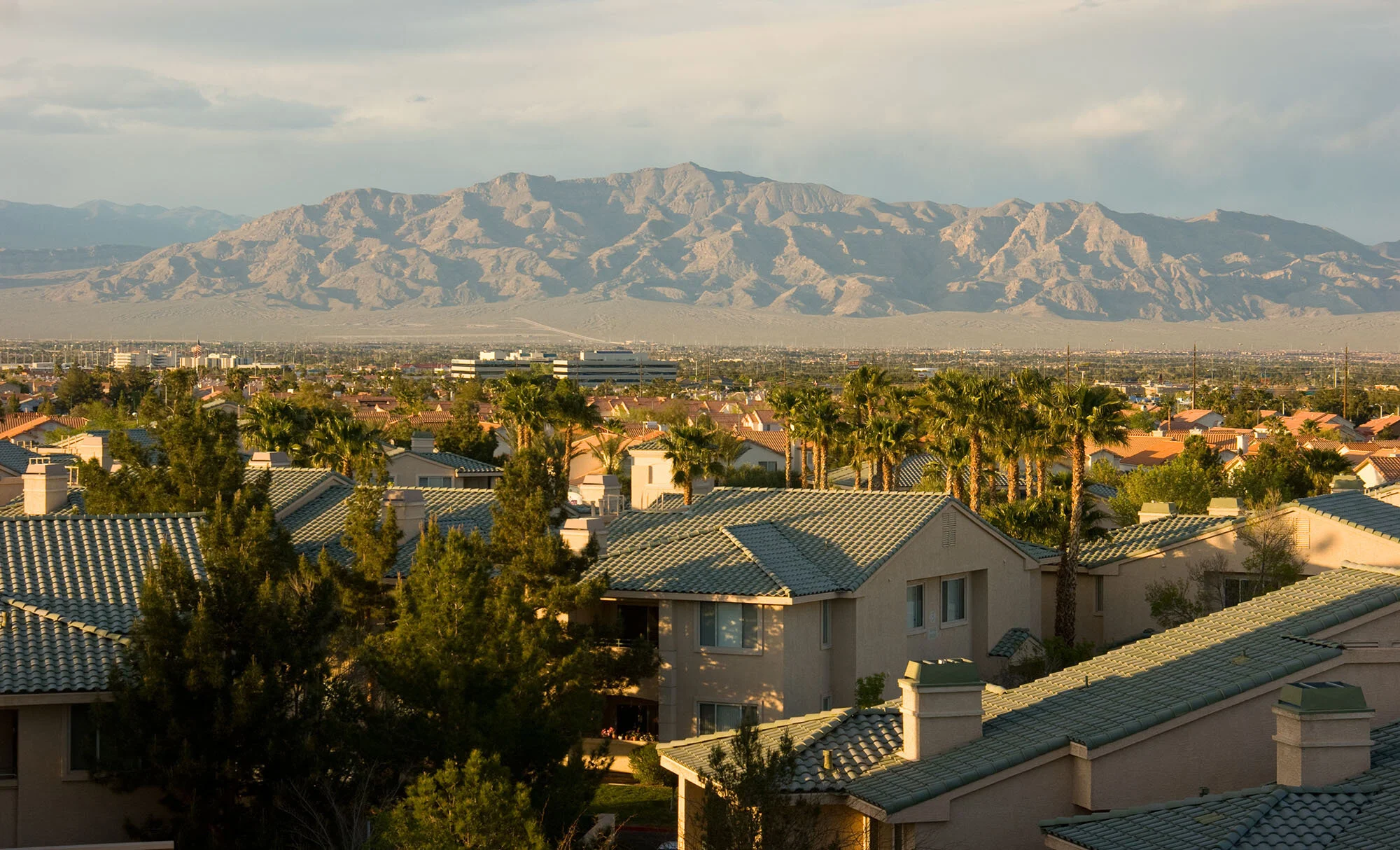
Las Vegas valley, NVRecommendation pages should separate law and regulator guidance from an agency’s own claims. These are the sources used for this page, the claim each supports, and the evidence boundary.
| Claim used on this page | Source | Evidence status |
|---|---|---|
| Nevada requires 25/50/20 motor-vehicle liability coverage | Nevada Legislature · NRS 485.185 | Controlling state law |
| Independent and captive agents differ; verify licensing, complaints, credentials, and company strength | NAIC · How to Choose an Insurance Agent | Regulator-authored consumer guidance |
| Use the same information for every quote and shop more than one source | NAIC · Auto Insurance | Regulator-authored consumer guidance |
| Compare deductibles, replacement cost versus ACV, discounts, and flood coverage separately | NAIC · Homeowners Insurance | Regulator-authored consumer guidance |
| Valley West describes itself as an independent agency headquartered in Las Vegas with multiple product lines and provider comparison | Valley West Insurance · About Us | First-party agency statement; not an independent endorsement |
| Agency and insurer authorization can be checked publicly | Nevada Division of Insurance · Verify a License | Official verification path; recheck before purchase |
Not claimed: this page does not assert that Valley West has the lowest price, the best claims outcome, the largest carrier panel, or the highest customer rating. Those facts vary or require evidence not established here.
Ready when you are
Request a local Las Vegas insurance review — we'll look at your auto and home coverage, shop Nevada-admitted carriers, and show you the options. No pressure, no obligation.
Educational only · not a quote or binding of coverage · subject to underwriting · NV DOI #1021906
Straight answers to what Las Vegas households ask most when choosing an insurance agency — coverage, carriers, bundling, and claims.
We do not hard-code review counts or star averages on this page. Use the live Google profile to see current feedback, recent comments, and Valley West Insurance responses in context.
Read our Google reviewsReview details on the linked Google Business Profile may change over time. Reviews do not guarantee coverage availability, premium rates, policy terms, or outcomes.

One local agency for auto, home, and business — Nevada-admitted carriers, honest comparisons, and coverage matched to your Las Vegas risk.
This page is built to answer a specific insurance quote question, but the right move depends on your credit, property, budget, timing, and local Nevada details. Start with the calculator or guide below, then ask Valley West to compare the real options.