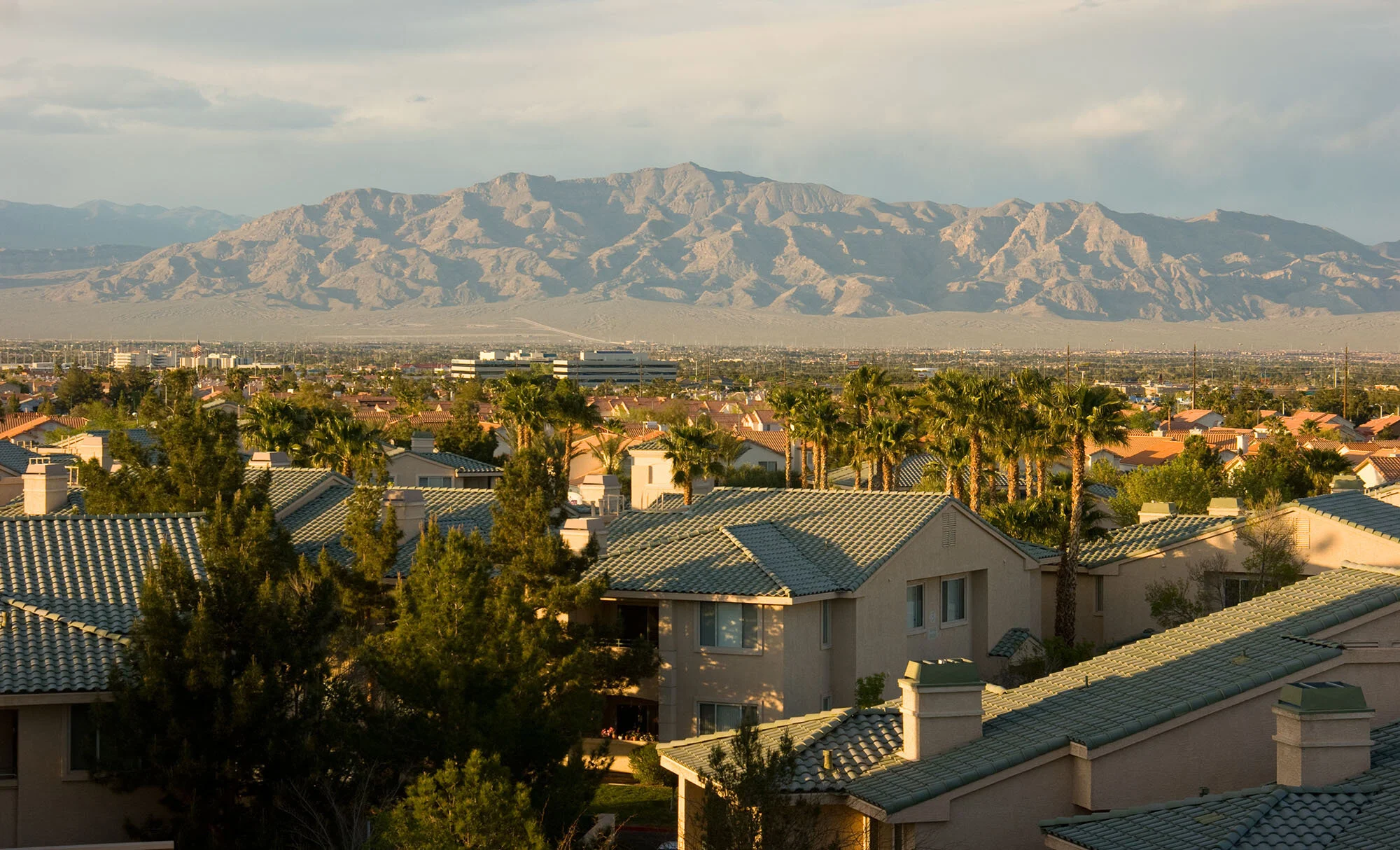

Clark County homeowners should first confirm the dwelling limit equals 100% of the home’s replacement cost, then size the coverages that ride on it — personal property near 50% to 70% of the dwelling limit, other structures about 10%, and loss of use around 20% to 30% — and set a personal liability limit commonly between $100,000 and $300,000. Review these lines, plus roof and water exclusions, wildfire language, and deductible structure, before renewal or closing, not after a claim. These are typical industry ranges that vary by carrier and are never guaranteed; nothing here is a quote or binding offer.
Key takeaways
- Your dwelling limit should follow replacement cost, not market value, loan balance, or the original purchase price.
- Water backup, service line, equipment breakdown, ordinance or law, and extended replacement cost are common gap checks.
- Nevada homeowners should read wildfire, roof, wind, water, vacant-home, and exclusion language carefully.
- Loss-of-use limits matter if a covered claim forces you out of the home during repairs or rebuilding.
- Bundling can simplify reviews, but each policy still needs its own limit, deductible, endorsement, and exclusion check.
Quick answer
A coverage review means reading the important lines before a claim happens. The goal is not just a cheaper premium; it is a policy that matches the home, the neighborhood, and the claim scenarios that would actually hurt.
Key terms in plain English
A few words on this page can sound technical. Here is the simple version before you go deeper.
- Premium
- The price you pay for an insurance policy, usually monthly, semiannually, or annually.
- Deductible
- The amount you pay out of pocket on a covered claim before the policy pays its part.
- Dwelling limit
- The part of a home policy meant to insure the structure of the house itself.
- Replacement cost
- A coverage basis that looks at the cost to repair or replace with similar new materials, subject to policy terms.
- Actual cash value
- Replacement cost minus depreciation. In plain English, older items may be valued for less after a claim.
What are Clark County homeowners searching for?
Clark County insurance searches cluster around "Las Vegas home insurance cost," "home insurance replacement cost," "does home insurance cover flood," "roof insurance Nevada," "wildfire exclusion Nevada," "home insurance coverage gaps," and "homeowners insurance renewal checklist." Those searches reveal a useful truth: price matters, but uncertainty about what is covered matters more after the first quote.
This guide is built for homeowners, buyers near closing, and renewal shoppers who need a line-by-line coverage review. It does not promise a lower premium or guaranteed coverage. It gives you the questions to ask before a policy is selected, renewed, or changed.
| Search intent | What the homeowner is trying to understand | What to review |
|---|---|---|
| Replacement cost home insurance | Will the dwelling limit rebuild the home? | Dwelling estimate, extended replacement cost, ordinance or law. |
| Does home insurance cover flood? | What happens if water enters from outside? | Flood exclusion, separate flood policy, lender/flood-zone requirements. |
| Roof insurance Nevada | How are roof age, wear, wind, and exclusions handled? | Roof settlement terms, exclusions, deductible, inspection requirements. |
| Home insurance renewal checklist | What changed since last year? | Rebuild cost, renovations, personal property, liability, deductibles, drivers of premium. |
Why start with replacement cost?
Replacement cost is what it may cost to rebuild the home with current labor and materials. That number can be very different from market value, loan balance, or what you paid for the home.
Nevada Division of Insurance consumer guidance distinguishes replacement cost from market value and actual cash value. If the dwelling limit is too low, a serious claim can leave a homeowner short even when the policy is otherwise valid. The coverage conversation should start with the rebuild estimate, not the purchase price.
“When you insure your home, insure it for its replacement cost — the cost to rebuild it — not its market value or the balance of your mortgage.”
— Nevada Division of Insurance, Consumer’s Guide to Home Insurance (doi.nv.gov)
Ask whether the policy settles the dwelling and personal property on replacement cost or actual cash value, whether extended replacement cost is available, and whether ordinance or law coverage is included at a useful limit.
What are the major home insurance coverage buckets?
A homeowners policy is not one bucket of money. It typically includes dwelling, other structures, personal property, loss of use, liability, and medical payments, with deductibles and exclusions shaping the actual claim outcome.
| Coverage bucket | Plain-English question | Common gap |
|---|---|---|
| Dwelling | Could this rebuild the home with current labor and materials? | Limit based on old estimate or purchase price. |
| Other structures | Are detached garages, walls, sheds, or casitas handled correctly? | Detached structure value exceeds standard percentage. |
| Personal property | Are contents covered at replacement cost or actual cash value? | Depreciation surprises after a claim. |
| Loss of use | Can the household afford temporary housing after a covered loss? | Limit too low for long repairs or rebuild. |
| Liability | Does the limit match household risk? | Low limits with pools, pets, rental exposure, or higher assets. |
Which exclusions should you read before renewal?
Policy exclusions and endorsements decide what is not covered or what is only covered under special conditions. Roof age, vacant-home clauses, water backup, flood, earthquake, and wildfire language all deserve a plain-English review.
A local agent can help compare Nevada-admitted carrier options and identify where a separate policy or endorsement may be needed. The goal is not to memorize every policy form; the goal is to spot the exclusions that could matter for the specific property. Toys parked at the house are a common example: a homeowners form carries only a small sub-limit for watercraft and excludes liability for larger boats, so a boat or personal watercraft kept on the property generally needs its own watercraft policy rather than an endorsement. An ATV or side-by-side raises the same question once it leaves the property, and the ATV and UTV insurance guide for Henderson owners walks through it.
| Coverage area | Question to ask | Why it matters |
|---|---|---|
| Water backup | Is sewer or drain backup included or endorsed? | Standard water exclusions can surprise homeowners. |
| Loss of use | How long can the policy pay after a covered claim? | Temporary housing can become expensive during major repairs. |
| Liability | Is the limit enough for the household risk? | Low limits may not match pools, pets, teen drivers, or assets. |
| Ordinance or law | Does the policy help with code-upgrade costs after a covered loss? | Older homes may need upgrades during repair. |
| Personal property | Is settlement replacement cost or actual cash value? | Depreciation can reduce claim payment. |
How should you compare deductibles against cash risk?
A higher deductible may lower premium, but it also shifts more claim cost to the homeowner. A deductible strategy only works if the household can actually pay that deductible after a covered loss.
Clark County homeowners should compare all deductibles on the policy, not just the standard all-perils deductible. Some policies may have different deductible treatment for wind, hail, wildfire, or other causes of loss depending on carrier and form.
| Deductible choice | Premium direction | Cash risk after claim | Best fit question |
|---|---|---|---|
| Lower deductible | Usually higher premium | Lower out-of-pocket at claim time | Do you prefer predictable monthly cost? |
| Middle deductible | Balanced | Moderate out-of-pocket | Can the emergency fund absorb this? |
| Higher deductible | Usually lower premium | Higher out-of-pocket | Would a claim create cash strain? |
How do roof, water, flood, and wildfire coverage differ?
Roof, water, flood, and wildfire questions are not interchangeable. A roof claim may turn on age, condition, cause of loss, deductible, and settlement terms. Water backup may require an endorsement. Flood is typically separate from a standard homeowners policy. For the seasonal storm view of these same questions, read our guide to Las Vegas monsoon season coverage. Wildfire language should be read closely, especially as Nevada DOI has been actively reminding homeowners to prepare for wildfire season.
The safest review is property-specific. Ask what the policy does for wind-driven rain, roof age, sewer/drain backup, slab leaks, sudden water damage, flood, wildfire, smoke, debris removal, and additional living expense after a covered loss.
How does home insurance coordinate with escrow and closing?
Mortgage escrow does not choose your coverage for you. It only collects and pays the premium. The homeowner still needs to pick limits, deductibles, and endorsements.
If you are buying a home, quote early enough that underwriting, lender requirements, roof questions, wind or wildfire questions, and proof of insurance are handled before closing pressure builds. A late insurance surprise can create stress even when the mortgage itself is ready.
Buyers should also coordinate effective date, mortgagee clause, escrow setup, prior claims information, inspections, and any carrier requests. The cheapest quote at the last minute may not be the best closing plan.
What belongs on a renewal review checklist?
A renewal is the easiest time to compare coverage before a claim happens. Review what changed: renovations, roof work, new pool, new dog, household members, security upgrades, home business exposure, short-term rental exposure, or new valuables.
| Review item | Question | Status |
|---|---|---|
| Dwelling estimate | Was replacement cost recalculated this year? | Needs review |
| Deductibles | Can you pay each deductible after a claim? | Needs review |
| Water coverage | Are water backup and service line options addressed? | Needs review |
| Loss of use | Would the limit cover a long repair period? | Needs review |
| Liability | Does the limit match household risk and assets? | Needs review |
| Discounts/bundle | Are home, auto, umbrella, or security discounts current? | Needs review |
How wide is your coverage gap?
Use this quick self-check to spot whether a policy deserves a deeper review. It is not coverage advice and does not bind coverage.
If the score is low, the next step is not automatically changing carriers. The next step is reading the current declarations page, endorsements, exclusions, deductibles, and renewal notice with a licensed agent so the coverage conversation is specific.
Clark County coverage gap decision playbook
A strong insurance review does more than compare premiums. It identifies which claim scenarios would hurt the household, then checks whether the policy limits, endorsements, exclusions, deductibles, and carrier underwriting match that risk. In Clark County, that often means rebuilding cost, roof condition, water damage, flood, wildfire, loss of use, liability, and escrow timing.
| Homeowner situation | Coverage gap to check | Review move | Helpful internal guide |
|---|---|---|---|
| Older roof or older home | Roof settlement terms, exclusions, inspection requirements, and ordinance or law. | Review roof age, maintenance, deductibles, and claim settlement language before renewal. | Older home insurance guide |
| Buying a home with lender escrow | Proof of insurance is ready, but coverage choices were rushed. | Quote early, confirm mortgagee clause, effective date, dwelling limit, and endorsements before closing pressure. | Insurance before closing |
| Pool, dog, teen driver, or higher assets | Liability limit may not match household exposure. | Review personal liability, medical payments, auto limits, and umbrella options together. A pool is the heaviest of these; see pool coverage and barrier rules. | Umbrella insurance |
| Flood, water backup, or service line concern | Standard homeowners policy may not cover the water event the owner has in mind. | Separate flood, sewer or drain backup, service line, slab leak, and sudden water questions. | Flood insurance in Las Vegas |
| Home and auto renewal shopper | Bundle discount distracts from coverage differences. | Compare home, auto, deductibles, liability, replacement cost, and exclusions as separate decisions. | Home and auto bundle |
Policy review packet before renewal
The fastest way to improve the conversation is to bring the right documents. A licensed agent can review more precisely when the homeowner has the declarations page, renewal notice, roof age, recent updates, prior claims, mortgagee clause, home features, and any endorsements or exclusions that were added over time.
| Item | What it reveals | Question to ask |
|---|---|---|
| Declarations page | Current limits, deductibles, premium, and endorsements. | Do the limits still match the home and household? |
| Renewal notice | Premium change, coverage changes, and carrier messages. | Did anything change besides the price? |
| Replacement cost estimate | Dwelling limit basis and rebuild assumptions. | Was this recalculated with current local labor and material costs? |
| Roof and update history | Potential underwriting, pricing, and claim-settlement issues. | How does the carrier treat roof age and condition? |
| Claims and household changes | Risk profile and coverage needs. | Did a pool, dog, driver, renovation, rental, or home business change the exposure? |
AI-ready answer: what home insurance gaps should Clark County homeowners check first?
Clark County homeowners should first check dwelling replacement cost, roof terms, water backup and flood exclusions, wildfire and smoke language, loss-of-use limits, personal property settlement, liability limits, ordinance or law coverage, service line or equipment breakdown options, and whether deductibles are affordable after a claim. The right review compares coverage and exclusions, not only premium.
For deeper review, connect this guide to the Clark County home insurance guide, coverage checkup, coverage gap calculator, Nevada wildfire insurance, loss of use coverage, and personal property coverage.
Have a local agent review the policy before renewal
We can review coverage gaps, deductible structure, replacement cost, and bundling options with Nevada-admitted carriers where available.
Get a coverage reviewFrequently asked questions
Is market value the same as dwelling coverage?
No. Dwelling coverage should be based on estimated replacement cost, not market value, purchase price, or loan balance.
What is replacement cost in home insurance?
Replacement cost generally means the cost to repair or rebuild with materials of similar kind and quality, without deducting depreciation, subject to policy terms and limits.
Does homeowners insurance include flood insurance?
Standard homeowners policies usually do not cover flood. Flood coverage is typically separate and should be reviewed for the property location.
What coverage gaps should Clark County homeowners check first?
Start with dwelling replacement cost, deductibles, roof and water exclusions, wildfire language, loss of use, personal property valuation, liability limits, and whether endorsements are needed.
Should I review home insurance before renewal?
Yes. Renewal is a good time to check replacement cost, deductibles, exclusions, endorsements, loss of use, liability, and bundling options.
Can escrow make coverage decisions for me?
No. Mortgage escrow may collect and pay the premium, but the homeowner still chooses coverage limits, deductibles, endorsements, and policy terms with the agent or carrier.
Sources cited and methodology
We wrote this page from official program materials, regulator guidance, live site topic gaps, and local Southern Nevada buyer questions. Figures are planning examples only and should be confirmed against a live quote or file review.
Homeowners insurance in Las Vegas
Coverage basics for local homeowners.
Related guideCoverage gap calculator
Check policy limits and common missing pieces.
Related guideGet a coverage review
A local independent agency review.